Two Inventories: Advertised Stock Versus Dispatchable Stock in Vape Delivery
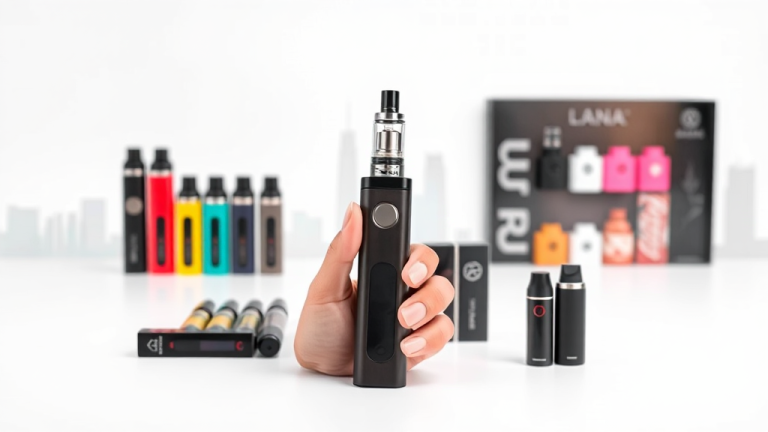
Most vape buyers in Singapore never make a distinction that quietly decides whether their order arrives tonight or sometime next week: there are two inventories behind every online listing, and they are rarely the same. The first is the advertised inventory — the number a system shows on a product page. The second is the dispatchable inventory — the units that are physically on a shelf, counted, sealed, and ready for a rider to collect within the delivery window. When those two numbers agree, Lana vape same day delivery works exactly as promised. When they drift apart, the customer is the one who finds out.
Why Advertised Stock Is Not the Same as Dispatchable Stock
I have ordered enough vape pods to have learned this the hard way. A product page says “in stock.” You pay. A confirmation lands. Then, hours later, a message arrives explaining that the item is actually with a supplier, or waiting on a restock, or reserved for another order that was processed first. The listing was not lying in a technical sense — a warehouse somewhere may genuinely hold that SKU — but it was never dispatchable from the location that serves your address.
This gap exists because online retail systems often track a broad availability figure rather than a location-specific one. A seller can show stock it expects to receive, stock held by a partner, or stock that is committed to other carts but not yet deducted. None of that helps a buyer who chose a same-day option precisely because the product was supposed to be within reach right now.
For anyone searching for lana vape sg, the practical question is not “does the site say in stock?” but “is the unit I want sitting in a local, packed, dispatchable state?” Those are different questions, and only one of them predicts whether a rider will actually turn up.
What Dispatchable Stock Actually Requires
Dispatchable stock is a stricter category. To qualify, a unit has to be physically present at the fulfilment point that serves the customer’s region, verified by a real count rather than a system estimate, and not already allocated to an earlier order. It also has to be packaged and labelled so a courier can grab it without a warehouse search. If any of those conditions fail, the item is advertised stock only.
This is where local supply matters more than catalogue size. A seller with a modest range held locally can often outperform a seller with a huge range held elsewhere, because the local seller is working from dispatchable units. That is the operational difference behind reliable Singapore vape delivery: not marketing language, but whether the stock is genuinely on hand when the order is placed. Singapore lana vape
Discreet packaging is part of the same discipline. A unit that is dispatchable but not yet packed is only half-ready. Sellers that treat packing as part of the dispatchable state — sealed, neutral, labelled, and queued — remove an entire failure mode from the same-day promise.
How to Tell the Two Inventories Apart Before You Pay
You cannot audit a seller’s warehouse from your phone, but you can read the signals. A listing that shows a live, local quantity rather than a vague availability badge is more likely to reflect dispatchable stock. A checkout that confirms a delivery window based on your postcode, rather than a generic estimate, suggests the seller is matching your order to a specific fulfilment point. And a seller that states plainly which models are held locally — rather than implying everything ships instantly — is usually being honest about the boundary between the two inventories.
Repeat buyers learn to watch for the opposite signals too: availability that never changes regardless of demand, delivery estimates that reset after payment, and support responses that describe stock as “coming in” rather than “ready to go.” Each of those points to advertised stock wearing a same-day label it cannot support.
When a seller does hold real local inventory, the experience is noticeably different. Orders move from confirmation to dispatch without a waiting phase, and the tracking updates reflect a rider collecting a parcel that already existed rather than a parcel being assembled after the fact. That is the version of Vape delivery sg buyers actually want — and it is the version that only dispatchable stock can deliver.
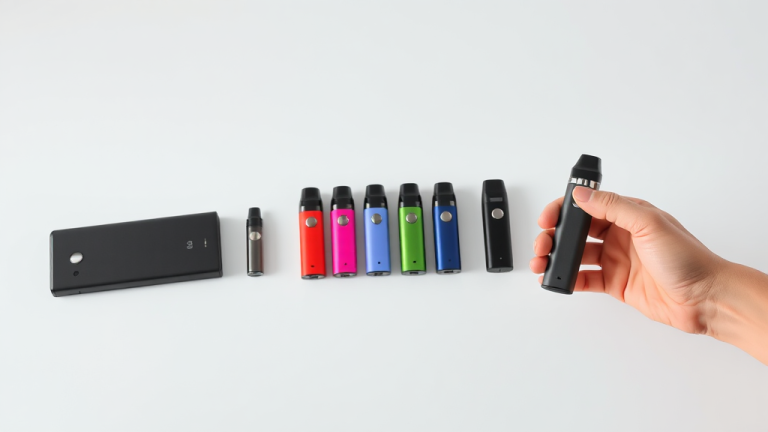
It also changes how you shop. Instead of picking the largest catalogue and hoping, you pick the seller whose local range covers what you actually use, and you check that range before you commit. A smaller, verified local selection beats a sprawling one every time the order needs to arrive today. Anyone comparing options for an Sg vape shop delivery should treat that local, dispatchable range as the first filter, not the last.
The takeaway is simple and it has saved me more than one wasted evening: before you trust a same-day label, ask which inventory you are buying from. Advertised stock tells you what a seller hopes to ship. Dispatchable stock tells you what a rider can actually collect in the next few hours. Choose sellers who are clear about the difference, and same-day delivery stops being a gamble and starts being a routine.
About the Author