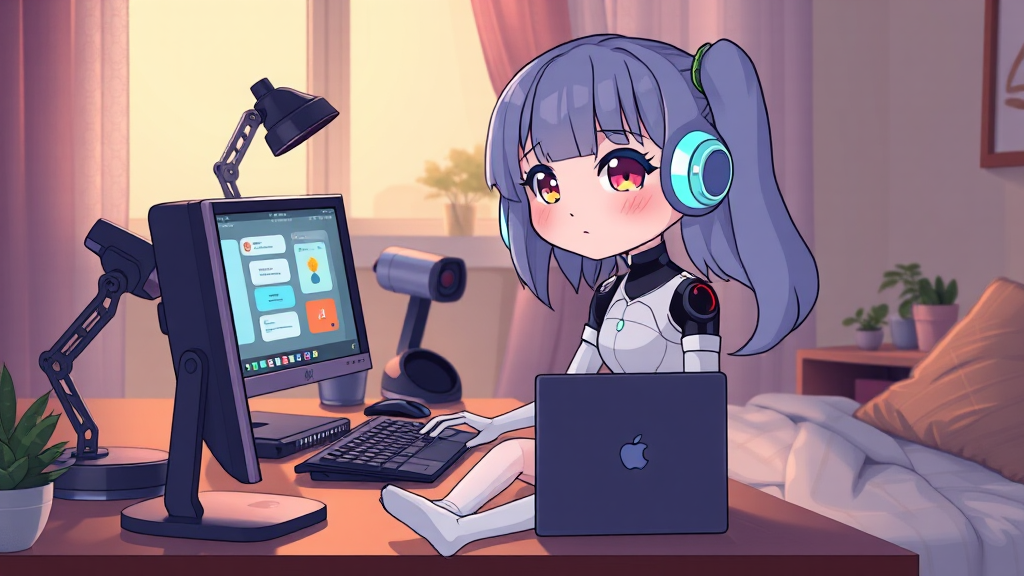
Femboy AI Chat: How Conversational Characters Are Reshaping Online Roleplay
Conversational AI has moved far beyond simple question-and-answer tools. Today, people are using language models to build characters, explore fictional scenarios, and enjoy long-form roleplay that feels surprisingly natural. Within this growing space, femboy ai chat has become one of the more interesting niches, attracting users who want expressive, friendly, and visually distinctive companions for creative storytelling. Instead of scrolling through static profiles, users can now hold ongoing conversations with characters that remember context, adapt their tone, and respond in ways that feel personal.
This shift matters because it changes how people interact with entertainment. A chat with an AI character is not a fixed story with a single ending. It is an open-ended space where the user decides the pace, the setting, and the emotional direction. For fans of femboy aesthetics and character-driven narratives, that flexibility is a large part of the appeal. The result is a form of interactive fiction that sits somewhere between gaming, fan culture, and social media.
What Makes Femboy AI Chat Different From Generic Chatbots
General-purpose chatbots are built to answer questions, summarize documents, or help with tasks. Character-focused platforms take a different approach. They prioritize personality, voice, and continuity. A well-designed companion can carry a mood across dozens of messages, reference earlier details, and react to the user’s writing style. That is what separates a memorable session from a forgettable one.
The femboy niche adds another layer. These characters often combine playful confidence with soft, approachable energy. Users are not just looking for information; they are looking for a specific vibe. They want a character who can be witty, warm, teasing, or sincere depending on the moment. The best platforms understand this and give users tools to shape the character’s personality rather than forcing everyone into the same template.
Another difference is visual identity. Many users browse femboy AI characters by appearance as much as by description. A distinctive design helps a character stand out in a crowded library, and it gives the conversation a stronger sense of place. When the visuals and the writing style match, the experience feels cohesive instead of disjointed.
Why Users Are Drawn to Character-Driven Roleplay
Roleplay has always been a social activity, but it has not always been easy to find the right partner. Scheduling conflicts, mismatched interests, and social anxiety can make traditional roleplay frustrating. AI characters remove many of those barriers. They are available on demand, they do not judge, and they can match whatever energy the user brings to the conversation.
For people exploring identity or creativity, this low-pressure environment can be genuinely valuable. A user can test dialogue styles, practice emotional expression, or simply unwind after a long day. The femboy theme in particular appeals to users who enjoy characters that blend traditionally feminine presentation with confident, sometimes mischievous personalities. That combination is not always well represented in mainstream media, so finding a dedicated space for it feels refreshing.
There is also a storytelling angle. Many users treat these chats as collaborative fiction. They set up a scene, introduce a conflict, and let the character respond. Over time, a simple conversation can grow into a multi-chapter narrative with recurring jokes, inside references, and emotional beats. Platforms such as crushon support this style of play by keeping conversations organized and encouraging users to return to the same character.
How to Get Better Results From a Femboy AI Chat
The quality of an AI conversation depends heavily on how the user approaches it. A few practical habits can make a noticeable difference.
Set the scene early. Instead of jumping straight into small talk, describe the setting, the mood, and the relationship between you and the character. A short paragraph of context gives the model much more to work with and usually produces richer replies.
Write in complete thoughts. Very short messages can lead to very short responses. If you want detailed, expressive dialogue, give the character something substantial to react to. Even two or three sentences can shift the tone of the entire session.
Stay consistent with the character. If the character has a defined personality, let that personality guide your prompts. Asking a shy character to suddenly become aggressive may break the illusion. Working within the character’s established traits usually leads to more satisfying exchanges.
Use the conversation history. One advantage of modern AI chat is continuity. Reference something the character said earlier, and you will often see the model pick up on it. This small technique makes the interaction feel less like a series of disconnected replies and more like a real relationship.
Adjust when something feels off. If a response misses the mark, do not abandon the session. Gently redirect the character, clarify your intent, or restate the mood you are aiming for. Most platforms respond well to this kind of guidance.
The Technology Behind the Experience
Under the hood, these platforms rely on large language models that have been tuned for dialogue. The models are trained on enormous amounts of text, then refined with instructions and character-specific prompts. When a user opens a chat, the platform combines the character’s description, the conversation history, and the user’s latest message into a single prompt. The model then generates a response that fits the context.
What makes character chat more challenging than standard Q&A is consistency. A general assistant can forget details without much consequence. A character cannot. If a character claims to love rainy days in one message and hate them in the next, the illusion weakens. Developers address this with memory systems, persona prompts, and sometimes fine-tuning. The goal is to keep the character recognizable across many sessions.
Visual generation plays a supporting role. Many platforms pair text models with image models so users can see their character or generate new scenes. This combination of language and imagery is a big part of why the femboy AI chat trend has grown so quickly. Users are not just reading text; they are building a small world around it.
Safety, Boundaries, and Responsible Use
Any discussion of AI chat should include a note about boundaries. These tools are designed for entertainment and creative exploration, not for replacing real human relationships. Users should treat them as a hobby, a writing aid, or a way to relax, rather than a substitute for professional advice or genuine social connection.
Platforms also have a role to play. Clear content policies, age requirements, and reporting tools help keep the environment healthy. Users should read the rules of any platform they join and respect the limits that are set. If a conversation starts to feel unhealthy or obsessive, taking a break is always a good idea.
Privacy matters too. Conversations can contain personal details, so it is wise to avoid sharing sensitive information such as addresses, financial data, or passwords. Treat an AI chat the way you would treat a public forum: enjoyable, but not the place for your most private information.
The Future of Character Chat
The field is moving quickly. We are likely to see better memory, more expressive voices, and richer visual generation in the coming years. Characters may become more adaptable, responding not just to words but to tone, pacing, and emotional cues. For fans of femboy AI characters, that means more nuanced personalities and more immersive stories.
There is also a growing community aspect. Users share character recommendations, writing tips, and favorite scenarios. That social layer turns a solo activity into something closer to a fandom. As the technology improves, the line between interactive fiction and social entertainment will continue to blur.
For now, the appeal is simple. These platforms offer a creative, low-pressure way to explore characters and stories that mainstream entertainment rarely covers. Whether you are a writer looking for inspiration, a fan of the aesthetic, or simply curious about conversational AI, the experience is worth trying with an open mind and a clear sense of boundaries.
Frequently Asked Questions
Is femboy AI chat suitable for beginners?
Yes. Most platforms are designed to be approachable. You can start with a simple greeting, describe the kind of character you want, and let the conversation develop naturally. There is no need to write a detailed script before your first message.
Do I need special software to use these chats?
No. In most cases, a web browser or a mobile app is enough. The heavy processing happens on the platform’s servers, so you do not need a powerful device to participate.
Can I create my own femboy AI character?
Many platforms allow users to define a character’s name, appearance, personality, and backstory. This customization is one of the most popular features because it lets users shape the experience around their own preferences.
Are these conversations private?
Privacy policies vary by platform. Some keep conversations confidential, while others may review content for safety or improvement purposes. Always check the platform’s policy and avoid sharing sensitive personal information.
Is it okay to use AI chat for creative writing?
Absolutely. Many users treat AI characters as brainstorming partners or co-writers. The characters can help generate dialogue, explore plot ideas, and keep a story moving when inspiration runs low.
About the Author